
Walk into any workplace and you will notice the obvious design elements first: the layout, the materials, the furniture, the buzz of collaboration. But one of the most influential forces shaping how people feel and perform often goes unnoticed:
Light.
Not the decorative pendants or the task lamp on a desk, but the kind of light that interacts with our biology. Light that affects energy, alertness, mood, focus, and even sleep.
This is where circadian lighting enters the picture and why it is becoming a defining feature of human-centered workplace design.
What Circadian Lighting Really Does
Your brain follows a built-in 24 hour cycle known as the circadian rhythm. Light is the primary cue that tells your body:
- when to wake up
- when to concentrate
- when to wind down
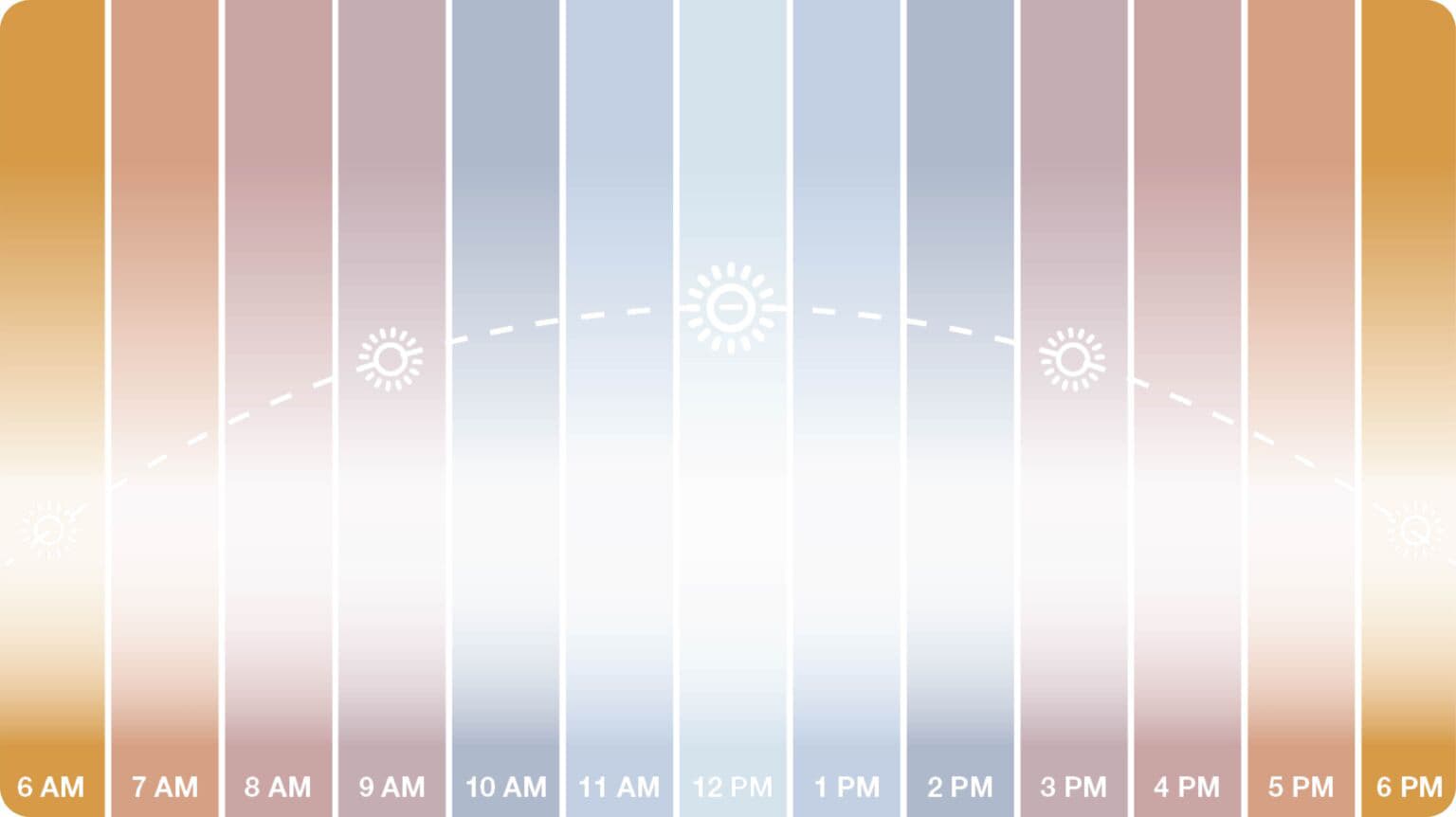
Morning light is cool and energizing. Evening light is warm and calming.
But most indoor lighting ignores this natural rhythm. It is static, flat, and out of sync with what our bodies expect. The result is that people feel tired earlier, lose focus faster, and experience lower well-being overall.
Research has shown that lighting which aligns with natural circadian patterns can improve cognitive performance, boost mood, support better sleep, and increase overall alertness.
In short, circadian lighting is not decorative. It is biological.


Why It Matters Even More in Today’s Offices
Hybrid work, enclosed meeting rooms, pods, and deeper floorplates mean many employees now spend hours away from natural light.
In these environments, lighting becomes one of the most important yet often overlooked design decisions.
Thoughtful, circadian-supportive lighting can:
- reduce afternoon fatigue
- enhance focus for complex tasks
- make enclosed spaces feel more comfortable
- support long-term well-being
Lighting is no longer just illumination. It is a workplace performance tool that directly impacts how people feel inside a space.
Why Pods Need Human-Centric Lighting
Pods function like miniature work environments. Inside them, users expect privacy and quiet, but what they actually need is comfort, mentally and physically.
Lighting sets the tone for the pod experience. It influences stress levels, focus, and productivity the moment the door closes.
That is why Thinkspace built circadian principles directly into their hushFree pods.
How hushFree Brings Circadian Lighting to Life
Tunable Light That Mimics the Day
hushFree pods shift between cooler, brighter light for high-focus work and warmer, softer light when calm or recovery is needed. It mirrors the natural progression of daylight.
Modes Designed for Real Work
Through the HushAssistant interface, users can select modes for focused work, relaxation, video calls, or a fully customized setup. Lighting becomes a tool the user can intentionally control.
Automatic Circadian Alignment
Auto Mode does the work for you. The pod lighting automatically adjusts throughout the day:
- Morning: cooler and brighter
- Midday: strongest intensity
- Afternoon: warmer and softer
The pod becomes a biological ally, not just an acoustic shelter.

Why Designers and Dealers Should Pay Attention
Pods are controlled environments, something designers rarely get in open office plans. That makes lighting inside them a powerful differentiator.
For designers:
- circadian-aware pods enhance wellness strategies
- improve user comfort
- elevate project outcomes
For dealers:
- it is a clear and compelling value add
- easy to explain
- aligned with rising demand for wellness-driven workplaces
This positions hushFree pods as more than privacy solutions. They are wellness tools that support how people actually work.
The Bottom Line
Circadian lighting is not a trend. It is a science-backed approach to creating spaces that work with the human body, not against it. With tunable, intuitive, biologically aligned lighting built directly into the pod, hushFree offers something rare:
A workspace that helps people feel better, think better, and work better simply by changing the light.